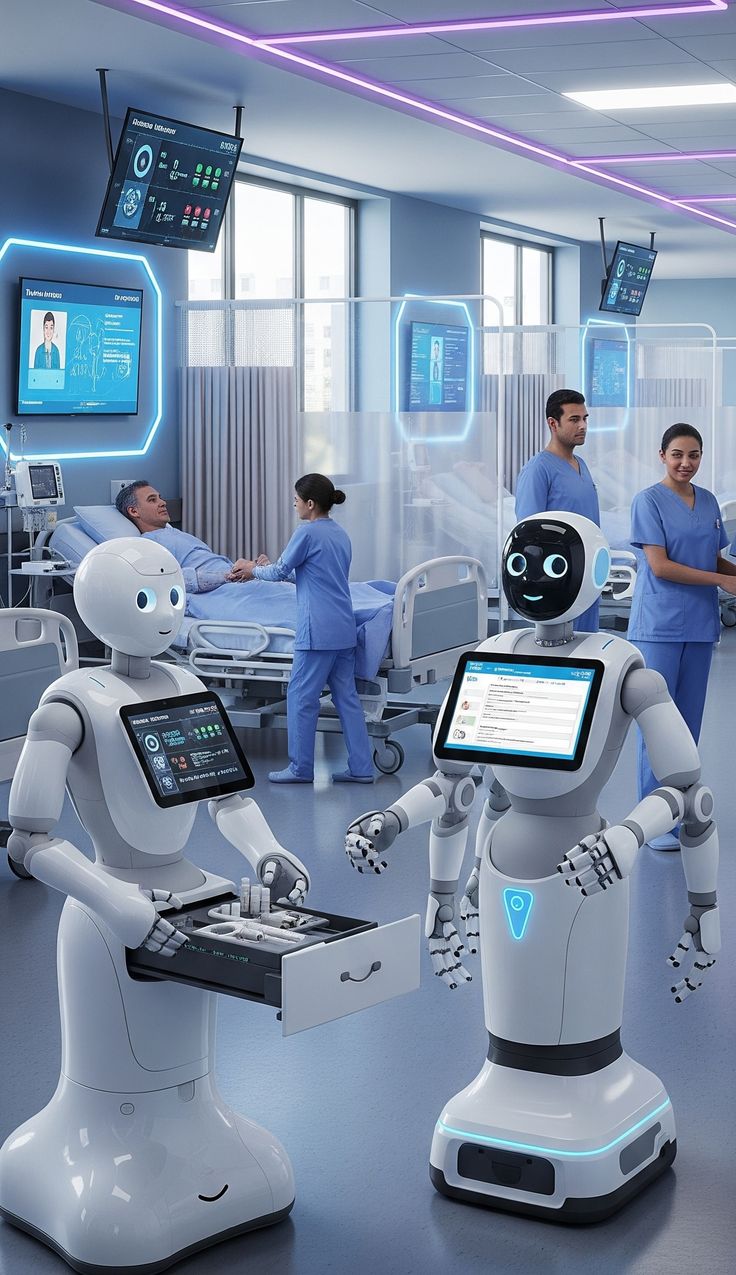
Artificial intelligence is revolutionizing healthcare by enabling more accurate diagnostics, personalized treatment plans, and streamlined administrative processes. AI algorithms can analyze medical images with remarkable precision, sometimes detecting conditions earlier than human practitioners. This early detection can significantly improve patient outcomes.
Beyond diagnostics, AI is being used to predict disease outbreaks, optimize hospital operations, and even develop new drugs. The potential to accelerate medical research and improve patient care is immense. However, the integration of AI into healthcare is not without challenges. Issues of data privacy, algorithmic bias, and the need for clinical validation must be carefully addressed.
As AI continues to play a larger role in healthcare, ensuring that its benefits are accessible to all while mitigating potential risks will be critical. The collaboration between technologists, healthcare professionals, and policymakers will be essential in realizing the full potential of AI in medicine.