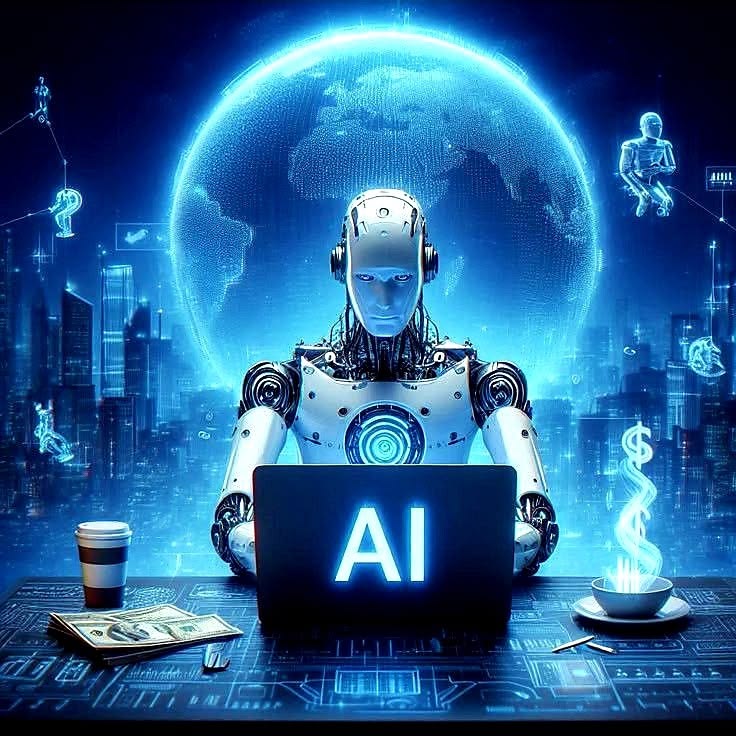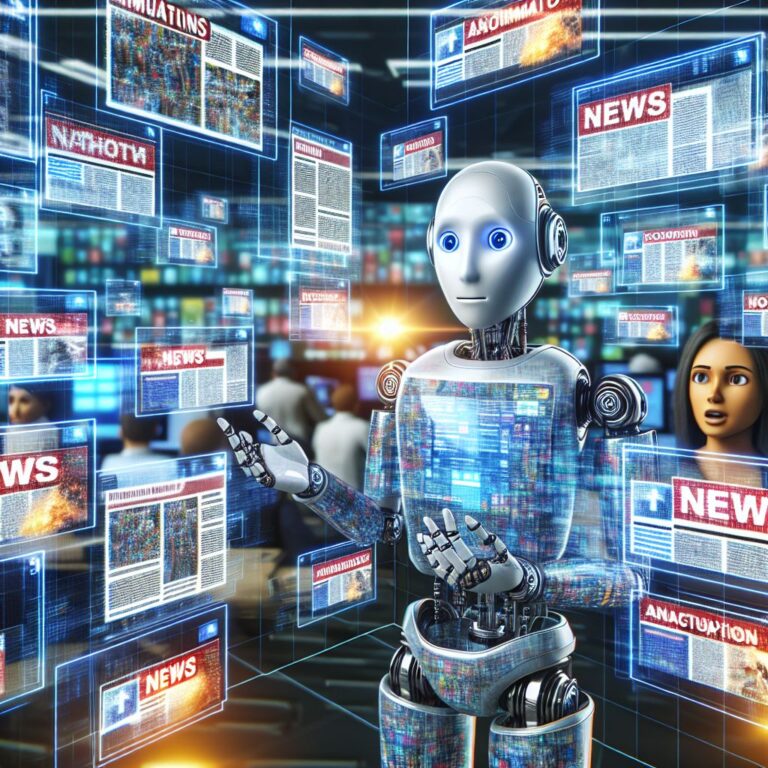
The Premise: Advanced AI systems, particularly those curating news feeds or generating summaries, are increasingly acting like powerful editors shaping our collective reality. However, this reality might be skewed, reinforcing existing biases and potentially creating entirely new, algorithmically generated biases.
Key Points:
- Bias in Training Data: AI models learn patterns from the vast datasets they are trained on. These datasets, often scraped from the public web, inherently contain societal biases (gender, race, geopolitical, cultural).
- Amplification, Not Just Replication: AI doesn’t just copy bias; it can amplify it. Certain perspectives or data points might be flagged more frequently by algorithms, leading to disproportionate representation.
- The “Truth” Filter: As AI becomes more involved in verifying or summarizing news, there’s a risk of privileging narratives that align with the AI’s training data or probabilistic understanding of “truth,” potentially overlooking nuanced or dissenting viewpoints that don’t fit established patterns.
- The Black Box Problem: How does the AI determine what constitutes a “credible” source or a “balanced” narrative? The internal logic can be opaque, making it difficult to challenge or understand why certain information is prioritized or deprioritized.
- Long-Term Impact: The cumulative effect could be a globally synchronized “echo chamber,” where people are increasingly exposed only to information filtered through the same algorithmic lens, potentially eroding global understanding and empathy.
The Question: Is the convenience of personalized, AI-curated information worth the potential cost of a fractured, biased, and ultimately less informed global consciousness?