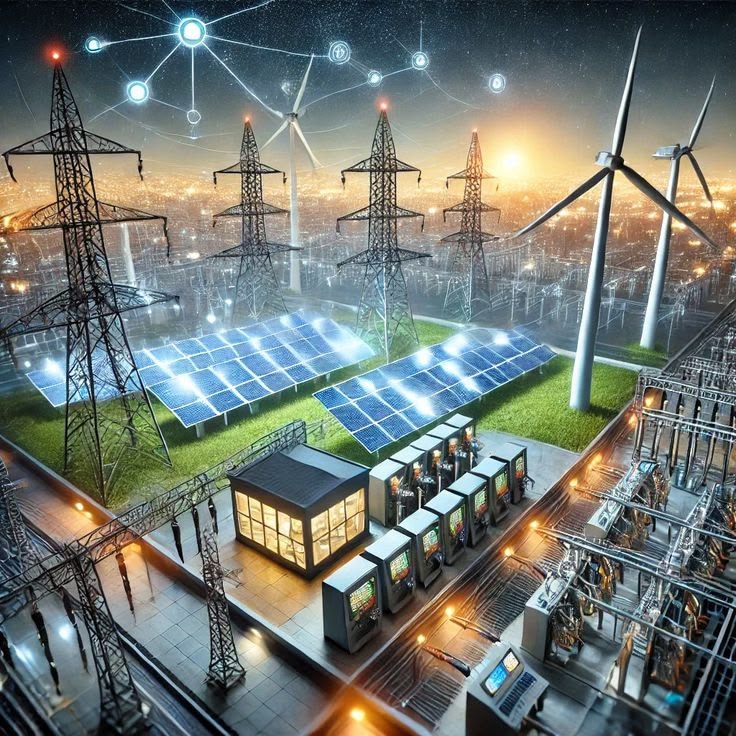
The Premise: While AI promises efficiency and automation, its own development and operation consume vast amounts of energy, contributing significantly to
carbon emissions. This hidden cost creates a paradox for a technology often touted as the solution to many problems.
Key Points:
- Data Centers are Energy Hogs: Training large AI models requires immense computational power, typically running on GPUs and TPUs in energy-intensive data centers, often powered by fossil fuels.
- The Efficiency Illusion: While AI can optimize logistics or energy grids, the sheer energy required to build and run these systems can negate or even outweigh these gains, especially in the short term.
- The Hardware Lifecycle: Manufacturing the specialized chips (ASICs, GPUs) needed for AI is resource-intensive and generates significant electronic waste. As demand grows, the environmental impact of mining rare earth materials increases.
- The “Green” AI Movement: Efforts exist to build more energy-efficient AI models and train them using renewable energy. However, progress is often incremental, and hype around “green AI” can sometimes outpace real-world solutions.
- Long-Term Scalability: If AI becomes truly ubiquitous, running billions of smart devices and complex systems worldwide, its overall energy demand could become a massive, unforeseen global issue.
The Question: Can we truly embrace AI as a sustainable solution to humanity’s problems if the technology itself is becoming one of the biggest energy consumers on the planet?